Sell a House with Asbestos in Washington (2026 Guide)
Sell a house with asbestos in Washington — RCW 64.06 requires Form 17 disclosure, WAC 296-65 governs abatement. Here's the real path in Seattle and the PNW.
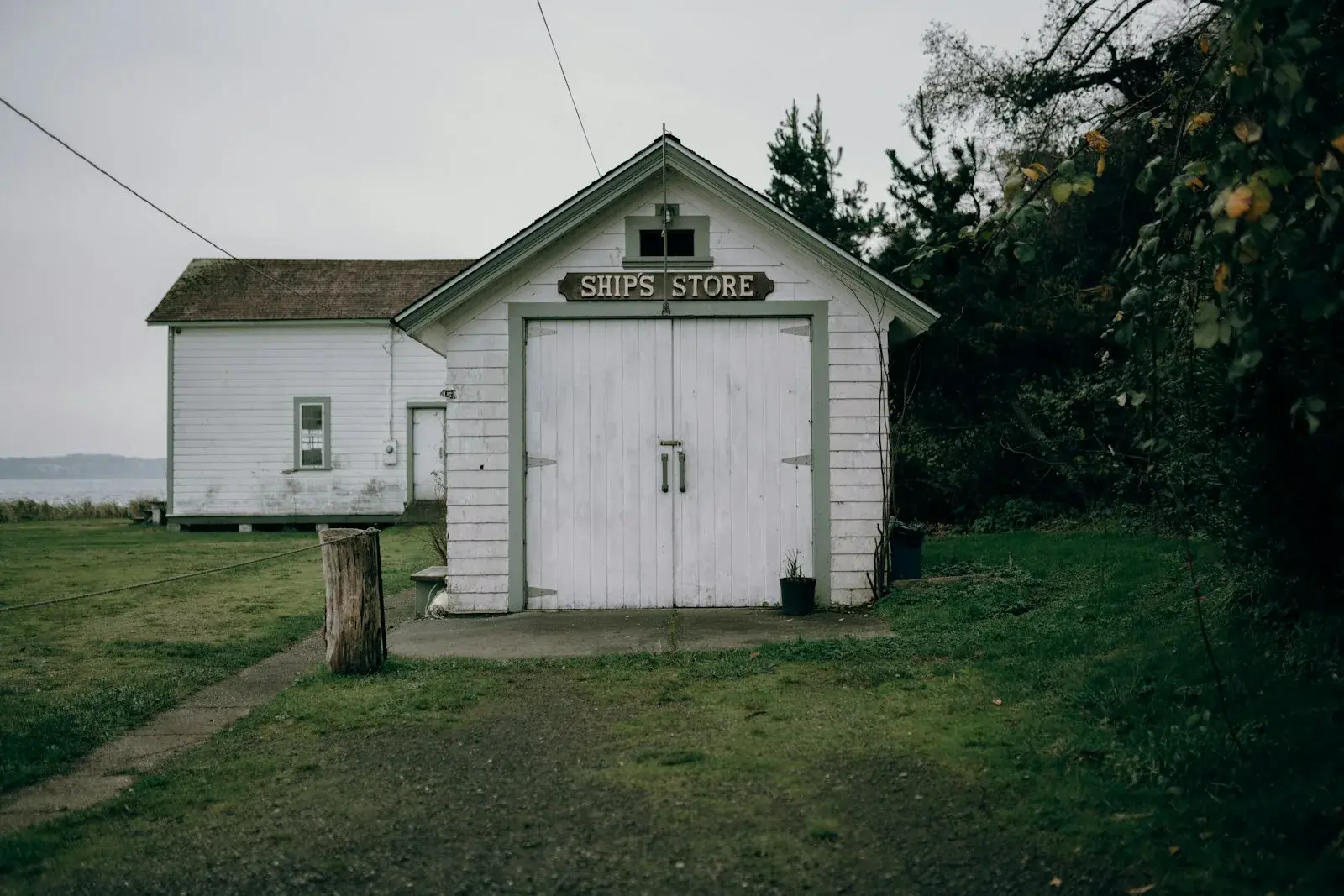
You can sell a house with asbestos in Washington State, and there is no law requiring you to remove it before transferring title. What Washington does require, under RCW 64.06.020, is disclosure of known asbestos on the Form 17 seller disclosure statement. That single legal obligation — combined with how mortgage lenders respond to asbestos during appraisal — shapes the entire selling process across Seattle, Tacoma, Bellingham, Olympia, and the rest of the Pacific Northwest.
The bigger obstacle is not the law. It is that pre-1978 housing dominates the Puget Sound market, and a meaningful share of FHA, VA, and conventional lenders will flag known asbestos hazards during underwriting. That removes the largest pool of traditional buyers from the table for Washington sellers who do not want to pay $5,000 to $30,000 out of pocket for abatement.
That leaves two realistic paths: pay for certified abatement under WAC 296-65 and list traditionally, or sell as-is to a cash buyer who does not need a lender's approval. This Washington-specific guide covers the actual disclosure rules, the WAC 296-65 abatement framework, real abatement costs in the Seattle market, the financial math on each path, and a step-by-step process for closing the sale.
The short version: Washington's seller disclosure law (RCW 64.06) requires you to disclose known asbestos on Form 17 but does not require removal before sale. Most traditional lenders will not finance a property with visible asbestos damage, so cash buyers are the most common path for distressed pre-1978 homes — here is how cash home offers actually work, and they typically close in 7 to 14 days regardless of condition.
Why Asbestos Is So Common in Washington Homes
Asbestos was a standard residential building material across the United States from roughly 1940 through 1978. The Pacific Northwest housing stock is unusually old by West Coast standards, which is why asbestos shows up so frequently in real estate transactions across Seattle, Tacoma, Everett, and Olympia.
Seattle's median home construction year is around 1985, but that average hides the reality of older neighborhoods. Capitol Hill, Wallingford, Ballard, Phinney Ridge, Magnolia, Mount Baker, and West Seattle are dominated by craftsmans, four-squares, and bungalows built between 1905 and 1955. Tacoma's median year built is 1967, and roughly 35 percent of Tacoma homes predate 1949 — by far the highest share of pre-WWII housing in any major Washington city.
The most common asbestos-containing materials found in Washington homes:
Pro Tip: Asbestos in good, undisturbed condition is generally not an immediate health hazard — the danger is when it becomes friable (crumbles into airborne fibers). A sealed popcorn ceiling in a 1965 home is far less urgent than a damaged pipe wrap in a wet basement. But for selling purposes, the rule is the same: if you know about it, disclose it.
The Disclosure Requirement: What Form 17 Actually Asks About Asbestos
Washington's seller disclosure law requires the seller of most residential property to complete Form 17, the standard seller disclosure statement, within five business days of mutual acceptance. The form is mandatory for most one-to-four-unit residential sales, and Section 7 — Environmental — directly asks about asbestos.
The Environmental section of Form 17 asks whether the property contains any of the following, based on your actual knowledge:
The legal standard is "actual knowledge." You are not required to commission an asbestos inspection or air-quality test to look for problems you do not know about. But if you have ever had asbestos tested, had a contractor identify popcorn ceilings as containing asbestos, had a remediation firm provide a bid, or had any conversation that put you on notice that asbestos is present, that is actual knowledge and it must go on the form.
After delivery of the completed Form 17, the buyer has three business days to review the disclosures and may rescind the purchase agreement during that window without penalty. Cash buyers are a notable exception in practice — they expect asbestos in pre-1978 homes and rarely walk based on disclosure alone.
Lead-Based Paint Disclosure (Federal Requirement)
If your home was built before 1978, you also have a separate federal obligation under the Residential Lead-Based Paint Hazard Reduction Act. You must provide the buyer with:
The federal lead disclosure is in addition to Washington's asbestos disclosure on Form 17 — both are triggered by pre-1978 construction and both must be delivered.
What Happens If You Hide Known Asbestos
Failing to disclose known asbestos is misrepresentation of a material fact under RCW 64.06. The legal consequences are real: the buyer can sue to rescind the sale after closing, recover damages including the full cost of abatement and any associated repairs, and in some cases recover attorney fees. Washington courts have repeatedly held sellers liable for Form 17 omissions years after closing, particularly when the omission relates to a known health hazard.
The short-term convenience of leaving a known issue off the form is never worth the legal exposure. Disclose everything you know, attach any inspection reports or contractor invoices you have, and let the buyer make an informed decision.
WAC 296-65: How Asbestos Abatement Works in Washington
If you do decide to abate asbestos before selling — either to qualify for traditional financing, to maximize sale price, or because a buyer demands it as a contingency — Washington has one of the more rigorous regulatory frameworks in the country. WAC 296-65 governs all asbestos removal, encapsulation, and disposal work in Washington, administered by the Department of Labor and Industries.
The key thresholds and rules every Washington homeowner should understand:
There is a limited homeowner exemption that allows owners to perform abatement on their own single-family primary residence under specific conditions, but the rules are strict, the safety requirements are demanding, and the disposal logistics still require an approved facility. For most sellers, paying a certified abatement contractor is the only realistic path.
How Asbestos Affects Home Value in Washington
Asbestos does not destroy a home's value. It resets it. The new value is roughly the market value in good condition, minus the cost of abatement, minus any associated repair costs (drywall, ceiling, flooring, HVAC), minus a buyer's risk discount for uncertainty about what else might be present.
Here is what typical abatement and related work runs in the Seattle and Puget Sound market in 2026.
| Abatement Scope | Typical Cost Range | Timeline | |---|---|---| | Single-room popcorn ceiling removal | $1,500 to $4,000 | 1 to 3 days | | Whole-house popcorn ceiling removal | $5,000 to $15,000 | 5 to 10 days | | Vinyl floor tile + mastic removal (one room) | $1,500 to $4,500 | 2 to 4 days | | Pipe wrap insulation (basement / crawl) | $2,500 to $8,000 | 2 to 5 days | | HVAC duct system abatement | $4,000 to $12,000 | 3 to 7 days | | Vermiculite attic insulation removal | $8,000 to $25,000 | 1 to 2 weeks | | Asbestos cement siding removal | $10,000 to $30,000 | 2 to 4 weeks | | Whole-house multi-material abatement | $25,000 to $80,000+ | 3 to 8 weeks |
Beyond the hard abatement cost, traditional buyers and their lenders apply a stigma discount even after the work is complete. The disclosure follows the property — Form 17 from prior owners, the L&I notification record, the abatement contractor's clearance documentation. Buyers ask whether the work was done correctly, whether hidden asbestos remains, and whether the home was tested post-abatement with air clearance sampling. That uncertainty typically discounts the post-abatement sale price by another 3 to 8 percent versus a comparable home with no asbestos history.
Cash buyers price differently. They calculate after-repair value, subtract the actual abatement and renovation budget, subtract holding and resale costs, and subtract a profit margin — usually landing in the 70 to 85 percent of after-repair value range depending on the scope of work needed. The headline number is lower than a fully abated and listed sale, but it is also a real, closed deal with no lender denial risk, no inspection contingency, and no months of contractor coordination.
The Financial Math: Abate and List vs. Sell As-Is
The decision between abatement plus traditional listing and a direct cash sale comes down to net proceeds and timeline, not headline sale price. Here is a realistic comparison on a typical Seattle-area pre-1978 home with moderate asbestos.
Example: $625,000 Seattle Home with Whole-House Popcorn Ceiling + Pipe Wrap
The traditional listing path nets roughly $51,000 more in this example — but only if you have $34,000 in cash for abatement and repair work, you can wait four to six months for closing, the abatement work completes without complications, and no buyer renegotiates after inspection. The cash path is faster, has zero out-of-pocket cost, and carries no contingency risk, but leaves $51,000 on the table.
The right answer depends on your situation. If you are facing foreclosure, dealing with a death in the family, going through a divorce, or relocating for work, the timeline math often pushes toward the cash path regardless of the headline difference. If you have the cash reserves, the patience, and a home in otherwise good condition, abatement and listing is usually the higher-yielding play.
Step-by-Step: Selling a House with Asbestos in Washington
If you decide to sell as-is to a cash buyer:
1. Get clarity on what you actually know. Walk through the property and document anything you have direct knowledge of — popcorn ceilings in original construction, exposed pipe wrap in the basement, vermiculite in the attic, old vinyl tile under the kitchen. Pull any inspection reports, prior abatement records, or contractor bids from the file. 2. Decide whether to test. A pre-listing asbestos test in the Seattle market runs $300 to $800 for sampling and lab work on three to six suspect materials. Testing strengthens your disclosure (definitive answers instead of "don't know") and gives a cash buyer better pricing information. It is not required, but it usually pays for itself. 3. Contact a few cash buyers. Get two or three quotes. Ask each buyer what they assume about asbestos in their initial offer and whether the price changes after their own inspection. 4. Review the purchase agreement. Cash offers in Washington are typically free of financing and inspection contingencies, but read the contract carefully. The best agreements have a short inspection window (3 to 7 days) where the buyer confirms condition, then move directly to title and escrow. 5. Complete Form 17 and the federal lead disclosure. Be thorough. Disclose every asbestos-containing material you have actual knowledge of. Attach any test reports, abatement records, or contractor bids. 6. Open escrow. A reputable Washington title company (Chicago Title, First American, Stewart, WFG) opens escrow, runs a title commitment, and confirms the property can transfer free of liens. 7. Sign closing documents. Most cash sales close in 7 to 14 days. You sign at escrow, the buyer wires funds, and the deed records the next business day.
If you decide to abate and list traditionally:
1. Get a licensed asbestos inspector to identify all asbestos-containing materials. Inspection costs in the Seattle market typically run $400 to $900 for residential. 2. Bid the abatement project to certified contractors. Get three bids from L&I-certified asbestos abatement firms. Verify their L&I certification number and their insurance. 3. Schedule the project. Notify L&I and your local clean air agency 10 working days in advance (the contractor usually handles this). 4. Complete the abatement work. Whole-house popcorn ceiling abatement typically takes 5 to 10 days; complex multi-material projects can run several weeks. 5. Get post-abatement air clearance testing. This documents that the property is safe to occupy and reassures both lenders and buyers. 6. Complete drywall, ceiling, and flooring restoration. Abatement leaves bare ceilings, exposed subfloors, and stripped pipes. Restoration typically runs 30 to 50 percent of the abatement cost. 7. List with an agent. Provide the post-abatement clearance report and full documentation to the listing agent.
How Cash Buyers Actually Underwrite Asbestos
The reason a reputable Washington cash buyer can offer a real number on a pre-1978 home in two days — instead of weeks of inspections and contingencies — is that the underwriting math is mostly built-in.
A typical cash buyer evaluating a Seattle 1955 craftsman with popcorn ceilings, original kitchen vinyl, and exposed pipe wrap will:
The resulting number is the offer. There is no underwriter to convince. There is no appraisal to clear. There is no FHA inspector flagging popcorn ceilings. The asbestos is priced in.
Pro Tip: Ask any cash buyer to walk you through their offer math. The serious ones will show you the comparable sales, the renovation budget assumptions, and the spread they need. The ones who refuse to explain their math are usually the ones offering 50 to 55 percent of ARV instead of 70 to 80 percent.
Seattle, Tacoma, and the Rest of the PNW: Where Asbestos Hits Hardest
Asbestos issues are not evenly distributed across Washington. They concentrate in neighborhoods and cities with older housing stock.
If you are selling in Tacoma, Seattle, Olympia, Bellingham, Renton, or Federal Way, the asbestos question is almost always going to come up if the home was built before 1980.
Asbestos Combined with Other Distressed Issues
Asbestos rarely shows up alone in pre-1978 housing. The same homes that have popcorn ceilings and pipe wrap frequently have other issues that compound the selling problem.
If your situation involves any combination of these, the cash path almost always wins on timeline and certainty. Want a real number on your specific home, asbestos and all? Request a no-obligation cash offer and we will walk you through our math.
Realistic Timelines: How Long Each Path Actually Takes
The numbers tell the story. A direct cash buyer closes in 7 to 14 days. iBuyers like Opendoor typically take 25 to 45 days and frequently decline pre-1978 homes with known asbestos as outside their condition criteria. The traditional list-and-abate path runs four to six months minimum and can stretch longer if abatement uncovers additional materials or if appraisal triggers further requirements.
If timeline is the constraint, cash is the only realistic answer. If maximum dollars is the constraint and timeline is flexible, traditional listing after abatement typically wins by 8 to 15 percent net.
Common Mistakes Washington Sellers Make with Asbestos
The mistakes that cost Washington sellers the most money on asbestos-affected homes:
1. Hiding known asbestos on Form 17. This is the single biggest unforced error. The legal exposure under RCW 64.06 is real, the buyer's inspector usually finds it anyway, and the deal blows up at inspection with no path to recovery. 2. DIY abatement on more than three square feet. Beyond the WAC 296-65 violation, improperly removed asbestos creates contamination that costs 3 to 5 times more to clean up than the original abatement would have cost. 3. Hiring an uncertified contractor. Some general contractors will quote popcorn ceiling removal without disclosing they are not L&I-certified for asbestos work. The result is no clearance documentation, no proof of proper disposal, and disclosure issues at resale. 4. Listing at full retail before abating. Showing the home with known asbestos disclosure but no abatement plan attracts only cash buyers — and cash buyers will not pay retail. Either commit to abatement before listing, or sell directly to a cash buyer at a cash buyer's price. 5. Accepting the first cash offer without comparison. Cash buyer offer spreads on pre-1978 Washington homes can range from 55 percent to 85 percent of ARV depending on the buyer's underwriting model. Always get two or three quotes. 6. Skipping the federal lead-based paint disclosure. Federal penalties for missing Form 22J on pre-1978 homes are separate from state remedies and can be triple the actual damages.
Frequently Asked Questions
Can I legally sell a house with asbestos in Washington State?
Yes. There is no Washington statute that prohibits selling a home that contains asbestos. RCW 64.06.020 requires disclosure on Form 17, but you are not required to abate before transferring title. Cash buyers purchase homes with asbestos routinely.
Do I have to disclose asbestos when selling a house in Washington?
Yes, if you have actual knowledge of it. The Environmental section of Form 17 specifically asks about asbestos, lead-based paint, formaldehyde, radon, and other environmental hazards. Failing to disclose known asbestos is misrepresentation under RCW 64.06.
How much does asbestos abatement cost in Seattle and Western Washington?
Typical Seattle-area abatement runs $1,500 to $4,000 for a single room of popcorn ceiling, $5,000 to $15,000 for whole-house popcorn removal, and $25,000 to $80,000 or more for major multi-material projects involving HVAC, attic insulation, or siding.
Will an FHA or conventional lender finance a house with asbestos?
It depends on condition. FHA rejects friable or damaged asbestos. Intact materials in good condition may pass on a case-by-case basis. Cash buyers do not face this constraint.
How long does it take to sell a house with asbestos to a cash buyer in Washington?
7 to 14 days from offer acceptance in most cases. There is no lender appraisal, no FHA inspection, no abatement contingency.
Does asbestos have to be removed before selling a house in Washington?
No. Washington has no state law requiring removal before transferring title. Disclosure under RCW 64.06.020 is the only obligation. WAC 296-65 rules apply if and when abatement happens, but not to the sale itself.
Are pre-1978 homes in Seattle and Tacoma more likely to have asbestos?
Yes, significantly. Tacoma's median home was built in 1967 and roughly 35 percent of housing predates 1949. Seattle's older neighborhoods (Capitol Hill, Ballard, Wallingford, Magnolia, West Seattle) are heavily pre-1978. Asbestos is the default assumption on most pre-1980 PNW homes.
What to Do Next
If you own a pre-1978 home in Washington and you know or suspect asbestos, your real decision is between four to six months of abatement work plus a traditional listing, or a 7 to 14-day cash close at a lower headline number with no out-of-pocket cost.
The right answer depends on your timeline, your cash reserves, and how much risk tolerance you have for surprises during abatement. There is no universally correct path.
If timeline matters more than absolute dollars, or if you do not have $20,000 to $40,000 in cash to fund abatement and restoration before you sell, request a cash offer on your Washington home. We buy pre-1978 homes across Seattle, Tacoma, Bellingham, Olympia, and the rest of the Puget Sound region — asbestos, popcorn ceilings, pipe wrap, vermiculite, and all. We will give you a real number, show you the math, and close in 7 to 14 days if you want us to.
If you have the cash and the patience for the traditional path, hire a licensed asbestos inspector to scope the work, get three bids from L&I-certified abatement contractors, and budget another 30 to 50 percent on top of abatement for restoration. Done correctly, the listed sale will net more — just expect it to take a full season longer than a cash close.
Either way, the Form 17 disclosure is non-negotiable. Disclose what you know, attach the documentation, and let the buyer make an informed decision. That is the path that protects the deal and protects you.