Selling a House with Water Damage or Mold in Washington
You can sell a house with mold in Washington — but RCW 64.06 requires disclosure on Form 17, and most lenders won't finance it. Here's the real path.
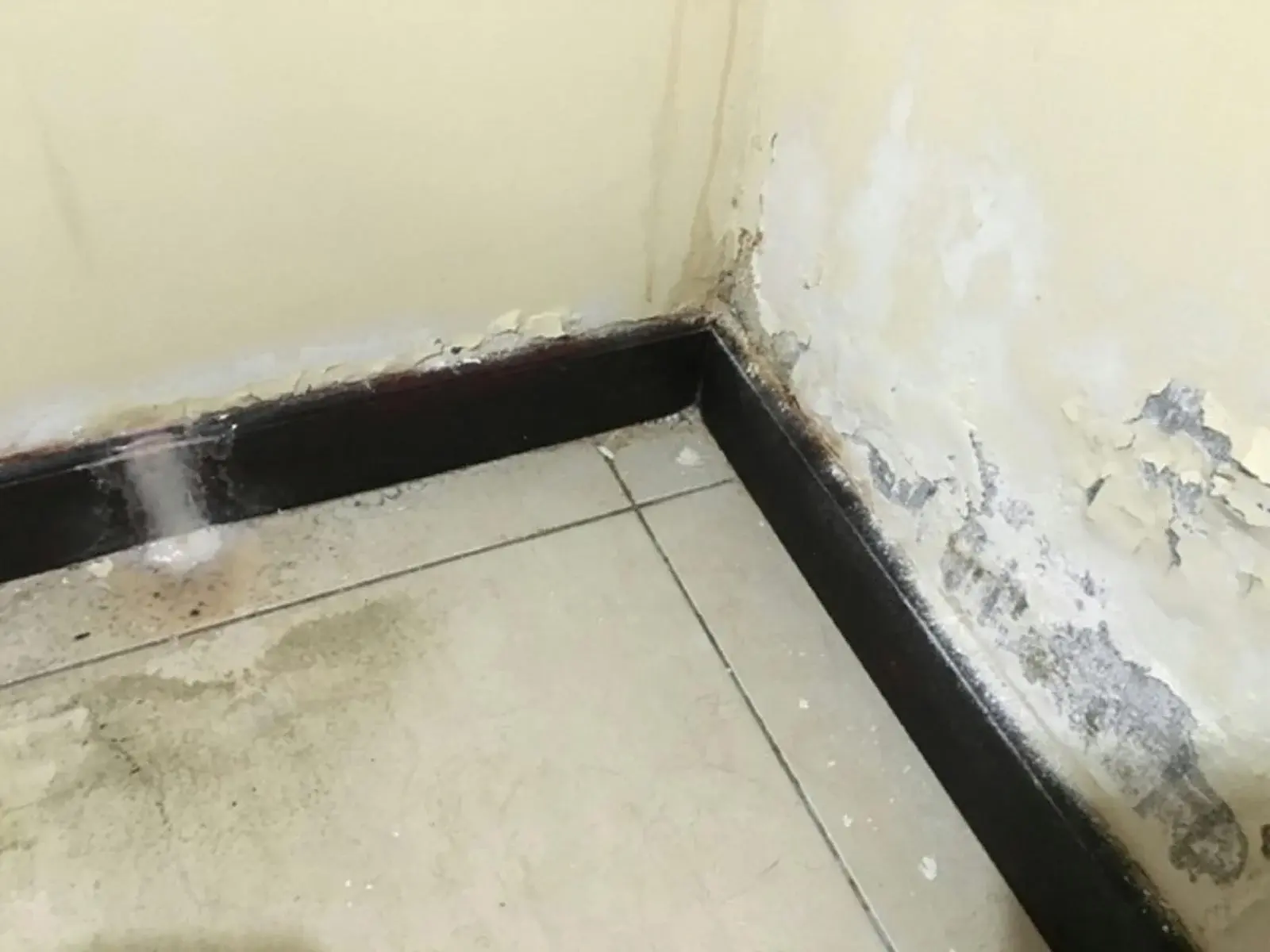
You can sell a house with mold or water damage in Washington State, and there is no law that requires you to fix the problem before transferring title. What Washington does require, under RCW 64.06.020, is honest disclosure on the Form 17 seller disclosure statement — and that single legal obligation shapes the entire selling process. The bigger obstacle is not the law. It is that almost no traditional mortgage lender will finance a home with visible mold or unrepaired water damage, which eliminates the majority of buyers in the Seattle and Puget Sound market.
That leaves Washington homeowners with two realistic paths: pay for remediation and structural repairs out of pocket and list traditionally, or sell as-is to a cash buyer who does not need a lender's approval. This guide covers the specific Washington disclosure rules, what mold and water damage actually do to home value in the Pacific Northwest, the real financial math on each path, and a step-by-step process for closing the sale.
The short version: Washington's seller disclosure law (RCW 64.06) requires you to disclose any known water damage, leaks, moisture problems, or mold on Form 17, but does not require you to repair them before selling. Most traditional lenders will not finance a property with these issues, so cash buyers are the most common path — here is how cash home offers actually work, and they can close in 7 to 14 days regardless of condition.
Why Water Damage and Mold Are So Common in Washington Homes
The Pacific Northwest is one of the wettest residential climates in the continental United States, and that climate is the single biggest driver of water damage and mold complaints in Washington homes. Seattle averages around 152 days of measurable rain per year and roughly 38 inches of rainfall, with consistently high humidity from October through April. Tacoma, Bellevue, Everett, Olympia, and the rest of the Puget Sound corridor see similar exposure.
Add an aging housing stock — large parts of King and Pierce Counties have homes built between 1910 and 1970 with original plumbing, original roofing systems, and minimal vapor barriers — and you have the conditions where water finds a way in and mold finds a place to live.
The most common moisture and mold scenarios we see across Washington homes:
Pro Tip: If you suspect hidden water damage but cannot see it, look for soft spots in flooring near exterior walls, baseboards that are bowed or stained, a persistent musty smell in any room, or visible salt-like efflorescence on basement walls. These are all signs of moisture activity that you would need to disclose under Form 17 even if the mold itself is not yet visible.
The Disclosure Requirement: What Form 17 Actually Asks
Washington's seller disclosure law requires the seller of most residential property to complete Form 17, the standard residential real property transfer disclosure statement, before the buyer signs the purchase agreement. The form is not optional for most sales, and it is the single most important document you will sign as a Washington home seller dealing with water or mold issues.
Section 4 of Form 17 — Structural — and Section 5 — Plumbing — directly target water and moisture issues. The form requires you to disclose, based on your actual knowledge, whether:
The legal standard is "actual knowledge." You are not required to commission an inspection to look for problems you do not know about. But if you have ever had a roof leak repaired, found standing water in the crawl space, replaced a damaged subfloor, repainted a stained ceiling, or had any conversation with a contractor about moisture, that is actual knowledge and it must go on the form.
After you deliver the completed Form 17, the buyer has three business days to review it and may rescind the purchase agreement during that window if the disclosures change their mind. Cash buyers are a notable exception in practice — they typically anticipate issues and rarely walk over disclosed mold or water damage.
What Happens If You Hide Water Damage
Failing to disclose known water damage or mold is misrepresentation of a material fact under RCW 64.06. The consequences are real: the buyer can sue to rescind the sale after closing, recover damages including remediation and repair costs, and in some cases recover attorney fees. Washington courts have repeatedly held sellers liable for omissions on Form 17 even years after the sale closed.
The short-term convenience of leaving a known leak off the form is never worth the legal exposure. Disclose everything you know, attach any inspection reports or contractor invoices you have, and let the buyer make an informed decision. This protects you and it protects the deal.
How Mold and Water Damage Affect Home Value in Washington
Water damage and mold do not destroy a home's value — they reset it. The new value is the market value of the home in good condition, minus the cost of remediation, minus the cost of associated repairs, minus a buyer's risk discount for the unknown.
Here is what typical remediation and repair work runs in the Seattle and Puget Sound market.
| Issue Category | Typical Cost Range | Timeline | |---|---|---| | Small isolated mold patch (under 10 sq ft) | $500 to $1,500 | 1 to 3 days | | Bathroom or kitchen mold remediation | $2,000 to $6,000 | 3 to 7 days | | Whole-room remediation with drywall replacement | $6,000 to $15,000 | 1 to 2 weeks | | HVAC and ductwork mold contamination | $3,000 to $10,000 | 3 to 7 days | | Crawl space mold and vapor barrier replacement | $4,000 to $12,000 | 1 to 2 weeks | | Whole-house mold remediation | $15,000 to $40,000+ | 2 to 6 weeks | | Roof leak repair (localized) | $800 to $3,500 | 1 to 3 days | | Subfloor and joist replacement from rot | $2,500 to $20,000+ | 1 to 4 weeks | | Foundation waterproofing | $5,000 to $25,000 | 1 to 3 weeks |
Beyond the hard remediation cost, traditional buyers and their lenders apply a stigma discount. Even after the work is done, the disclosure follows the property. Buyers ask whether the underlying cause was truly fixed, whether hidden damage remains behind walls, and whether the remediation was performed by a certified firm with documentation. That uncertainty tends to discount sale price by another 5 to 15 percent, even on remediated homes.
Cash buyers price differently. They calculate after-repair value, subtract their actual repair budget, subtract their holding and resale costs, and subtract a profit margin — usually landing somewhere between 70 and 85 percent of after-repair value depending on severity. The number is lower than a fully remediated and listed sale, but it is also a real, closed deal with no lender denial risk.
The Financial Math: Remediate and List vs. Sell As-Is
The decision between remediation plus listing and a straight cash sale comes down to net proceeds and timeline, not headline sale price. Here is a realistic comparison on a typical Seattle-area home with moderate mold and water damage.
Example: $525,000 Home with $35,000 in Water Damage and Mold
| Cost Category | Remediate and List | Sell As-Is (Cash) | |---|---|---| | Sale price | $525,000 | $415,000 | | Mold remediation and repairs | -$35,000 | $0 | | Agent commission (5.5%) | -$28,875 | $0 | | Pre-listing inspection and clearance | -$1,200 | $0 | | Staging and photography | -$2,500 | $0 | | Holding costs (3 months at $3,200/month) | -$9,600 | -$1,600 (2 weeks) | | Closing costs (seller portion) | -$7,875 | $0 (buyer pays) | | Stigma discount (5 to 10%) | -$26,250 to -$52,500 | Already priced in | | Estimated net to seller | $386,200 to $412,700 | $413,400 | | Timeline to close | 90 to 180 days | 7 to 14 days |
The math is closer than most homeowners assume. Once you subtract remediation, agent commissions, three to six months of carrying costs, and the residual stigma discount even on a cleaned-up home, the cash offer often nets the same or more — and it nets it months sooner with no risk of the deal falling apart.
The math gets even more lopsided when the damage is structural (rot in floor joists, foundation waterproofing, or full subfloor replacement) because those projects routinely overrun their estimates and the contractor backlog in the Seattle metro area means you may wait six to twelve weeks just to get the work scheduled.
For a deeper look at how cash offers are calculated and when they truly beat a listing, read our guide on how cash home offers actually work.
Why Most Lenders Will Not Touch a Mold or Water-Damaged Home
This is the single most important reason cash buyers exist for water and mold scenarios. Even if you have a buyer ready to sign, their lender almost certainly will not fund the loan.
FHA, VA, USDA, and most conventional mortgage lenders require the appraiser to confirm the property meets minimum habitability and safety standards. Visible mold, active leaks, water-stained ceilings, soft floors, sagging drywall, evidence of foundation moisture, and crawl space contamination all trigger appraiser callouts. Once the appraisal flags the issue, the lender will require:
That process adds 4 to 8 weeks to the closing timeline at best, and most buyers do not have the patience or the cash on hand to pay for the work themselves and wait. The deal collapses, you go back on market, and you lose another 30 days of time and carrying costs.
This is why homes with water damage and mold sit on the Northwest Multiple Listing Service for months even in a tight market. It is also why cash buyers exist for these specific situations — no lender means no appraisal, no habitability standard, no financing contingency, and no chance of the deal dying because the underwriter saw a brown stain in the listing photos.
If you need to move quickly because the property cannot continue to absorb monthly carrying costs, here is how the Seattle market breaks down for fast sales.
County-Level Differences: King, Pierce, and Snohomish
Washington's disclosure law is statewide, but enforcement and local expectations around water and mold issues vary by county. Here is what changes across the three biggest Puget Sound markets.
| County | Common Issue | Local Consideration | |---|---|---| | King County | Crawl space moisture, basement seepage, roof leaks | Seattle-area buyers expect detailed remediation documentation and certified industrial hygienist clearance on any disclosed mold | | Pierce County | Foundation water intrusion, older plumbing leaks, rot in waterfront homes | Tacoma and Lakewood buyers tend to discount more steeply for water history because of older housing stock | | Snohomish County | Roof and gutter failures, attic moisture, atmospheric river damage | Everett, Lynnwood, and Marysville buyers often request a pre-purchase mold test even when disclosure is clean |
In Seattle specifically, the Department of Construction and Inspections may issue a notice of violation if mold or moisture conditions create a habitability problem in a rental property under the Rental Registration and Inspection Ordinance. For owner-occupied homes, there is no equivalent inspection regime — but if a tenant or neighbor files a complaint about visible mold or sewage exposure, code enforcement can become involved. For a deeper look at how code enforcement affects sales, read our guide to selling a house with code violations in Washington.
The Five Most Common Situations That Lead to Selling with Water Damage or Mold
Every water-damaged property has a backstory. These are the five we encounter most often across Washington.
1. Inherited Property with Years of Hidden Leaks
The previous owner aged in place and stopped maintaining the home. The roof leaked for years before the heirs discovered it. The crawl space has standing water nobody knew about. The bathroom subfloor is rotted. The estate does not have the cash for $30,000 to $60,000 in remediation and repairs, and the heirs do not want to wait six months on a contractor.
This is one of the most common scenarios in the Puget Sound market. For the full process on selling inherited property, including probate timing and tax basis, read our guide to selling an inherited house in Washington.
2. Pre-Foreclosure with Deferred Maintenance
You fell behind on the mortgage and stopped putting money into the house. A roof leak you knew about turned into ceiling damage and mold. The home now needs both financial rescue and physical work, and the foreclosure clock is running. Speed is the only thing that matters — and a cash sale that closes in 7 to 14 days stops both clocks at once. Our guide to selling before foreclosure in Washington walks through the full timeline.
3. Divorce with a House Neither Spouse Will Repair
The court ordered the home sold and the proceeds split. Neither party wants to advance $20,000 to $40,000 for remediation and repairs, especially when those repairs may not pay back dollar-for-dollar in a stigmatized listing. Selling as-is gets the house sold quickly, splits the equity cleanly, and lets both parties move on. See our guide to selling a house during divorce in Washington for the legal and financial details.
4. Failed Insurance Claim or Coverage Gap
You filed a claim for water damage, the insurer denied it (or paid out a fraction of the actual cost), and you cannot fund the repairs out of pocket. This is especially common with slow leaks that fall outside the "sudden and accidental" coverage requirement on most homeowner policies, and with mold claims that bump against low policy sublimits. A cash sale gets you out of the property without further out-of-pocket spend.
5. Rental Property with Tenant Damage
A tenant left behind sewage backups, undisclosed leaks, or moisture damage that exceeds the security deposit. The repair cost makes the property uneconomic as a continued rental. Cash buyers purchase tenant-occupied or recently vacated rentals routinely — see our guide to selling a rental property with tenants in Washington for the landlord-specific considerations.
Step-by-Step: How to Sell a Water-Damaged or Moldy House in Washington
Here is the actual process from where you are to a closed sale.
1. Document the damage you know about. Take dated photos of every visible issue — stains, mold, soft floors, leaks, crawl space conditions. Pull any past inspection reports, contractor estimates, insurance correspondence, or repair receipts. You will need this for Form 17 and for the cash buyer's offer evaluation.
2. Decide whether to remediate or sell as-is. Get one or two contractor estimates if you do not already have them. Add the remediation cost to three months of carrying costs (mortgage, insurance, taxes, utilities) plus 5.5 percent agent commission plus a 5 to 10 percent stigma discount. Compare that total to a cash offer on the unrepaired property. The cash offer often comes out within a few thousand dollars and closes months sooner.
3. Complete Form 17 honestly. Disclose every leak, every stain, every conversation you have had with a contractor about moisture, every visible mold patch, every prior remediation. Attach any documentation you have. This protects you legally and sets honest expectations with the buyer.
4. Get multiple cash offers if you are selling as-is. Request offers from at least two or three reputable Washington cash buyers. Compare the offers side by side. Verify proof of funds — a legitimate cash buyer will provide a recent bank statement or letter of funds showing they can close. The spread between buyers on the same property can easily be $15,000 to $40,000.
5. Close through escrow. The title company handles the paperwork, the deed transfer, and the disbursement of funds. If there are any liens (code enforcement, contractor liens for unpaid remediation work, or mortgage payoffs), the title company manages those payoffs directly out of the sale proceeds.
6. Confirm the deed is recorded and walk away. Once the deed is recorded with the King, Pierce, or Snohomish County Recorder's Office, the property is no longer yours. The buyer takes on the mold, the leaks, the repairs, and any future code issues.
What Not to Do When Selling a House with Water Damage or Mold
A few avoidable mistakes turn a manageable situation into a much bigger problem:
Next Steps: Getting Your Property Sold
If you own a home in Seattle, Tacoma, Everett, or anywhere in Washington State with water damage, mold, or both, you have options. The damage does not block a sale. It changes who can buy the property and how the transaction is structured.
The fastest way to know your real options is to get one accurate cash offer in writing. That single number — combined with a realistic estimate of what remediation, repairs, and carrying costs would actually run — tells you within an hour whether the listing path or the as-is path nets more for your specific property.
Request a free no-obligation cash offer from Northwest Cash Offers. We buy houses with water damage and mold throughout King, Pierce, Snohomish, and surrounding Puget Sound counties — no remediation needed, no commissions, no closing costs charged to you. You will get a transparent offer based on the actual condition of your property, and you can walk away at any point if the numbers do not work for your situation.